
On the Rock’s Skin
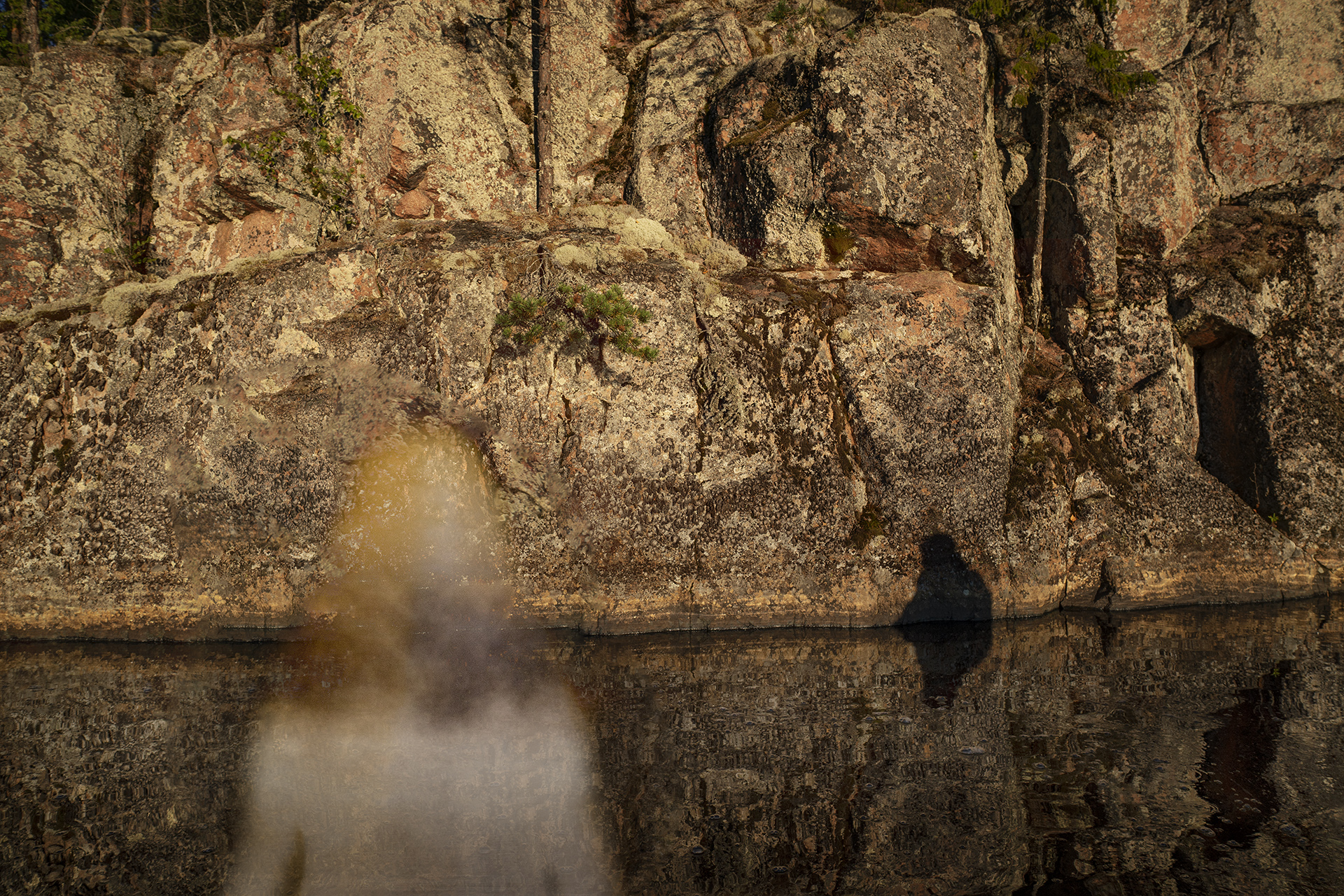
On the Rock’s Skin explores the boundary between the visible and the invisible through photography, perception, memory, and imagination. At the heart of the series is the question: Why do I photograph what I photograph? What makes me return to the same subject again and again, even before I understand its significance?
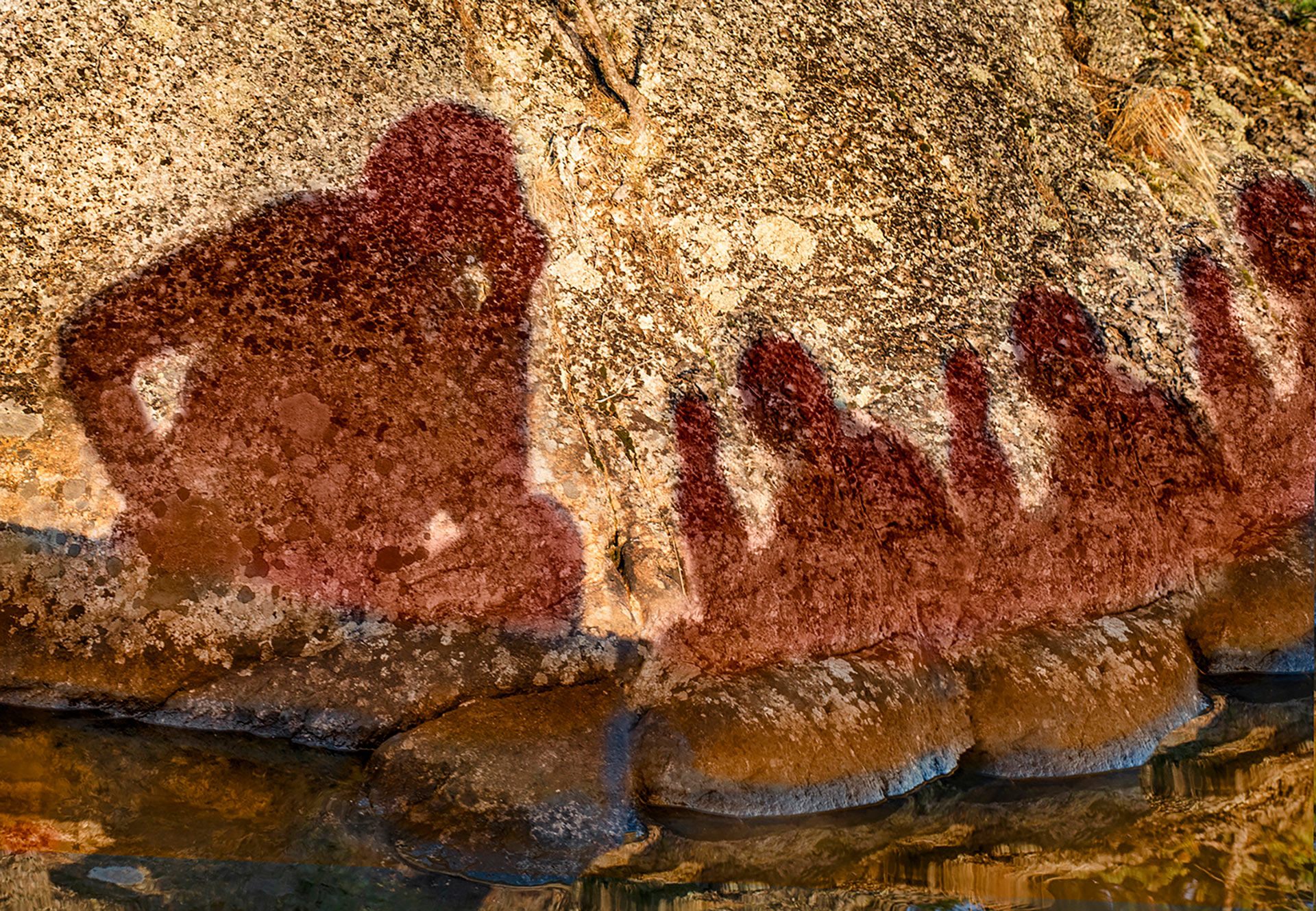
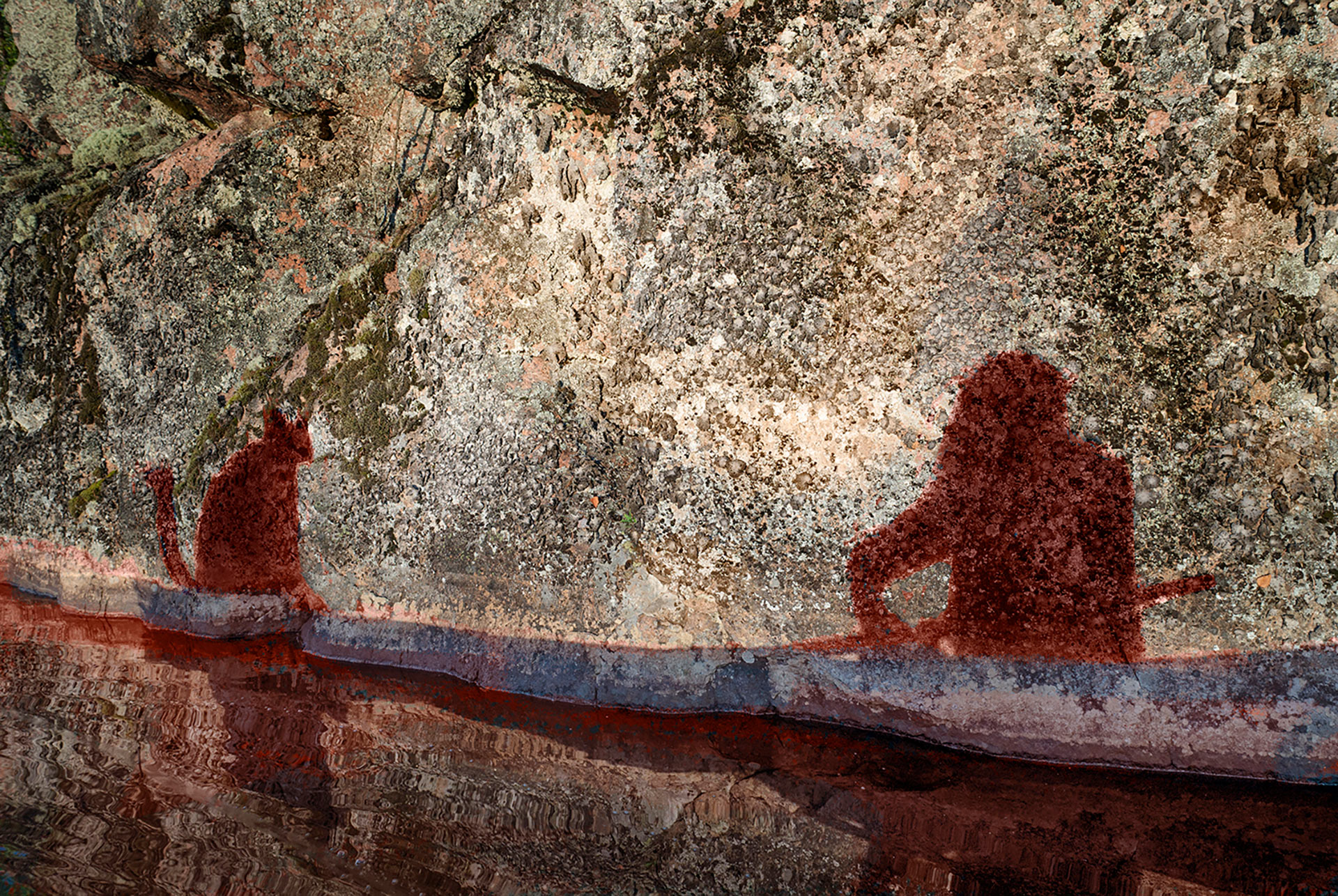
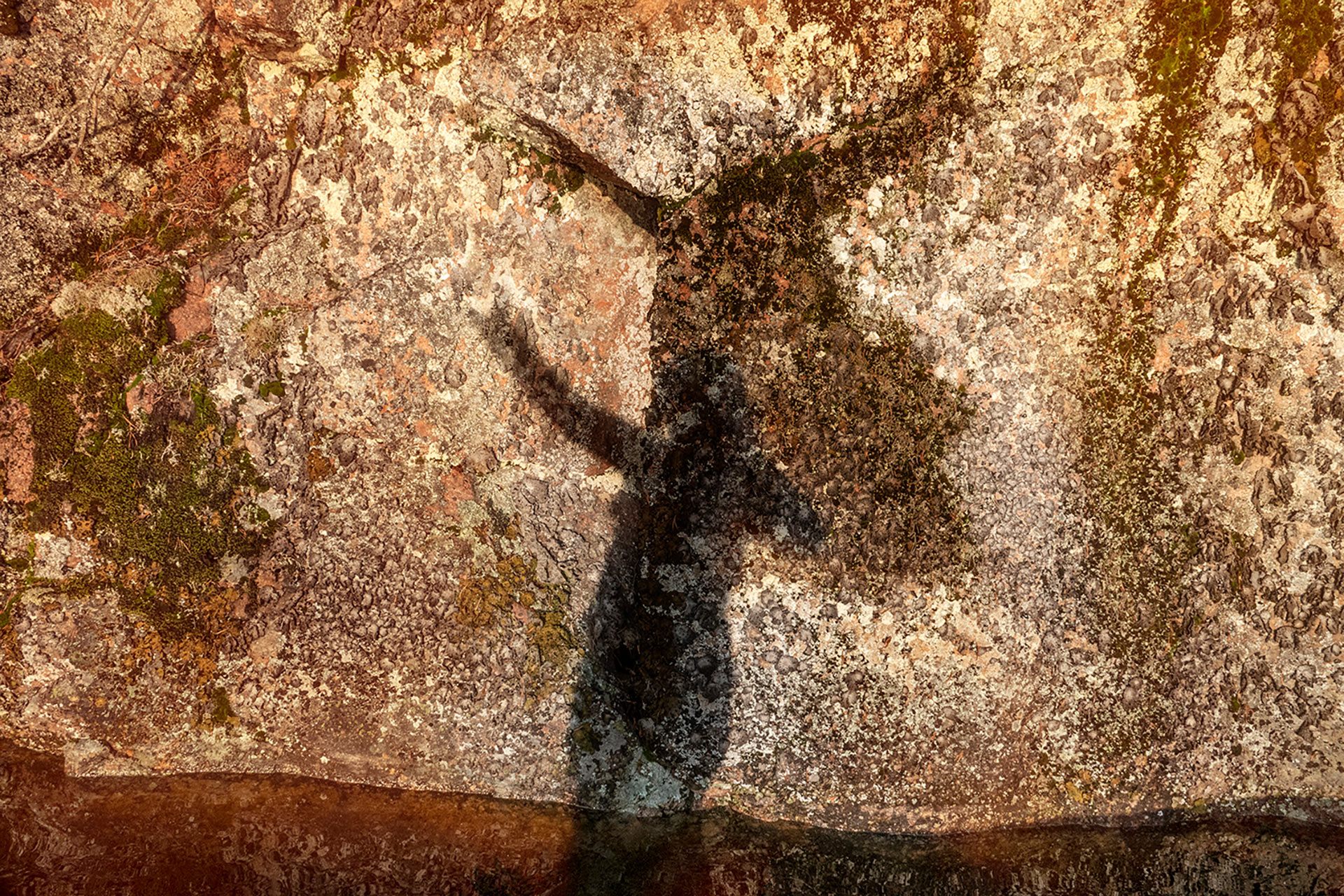
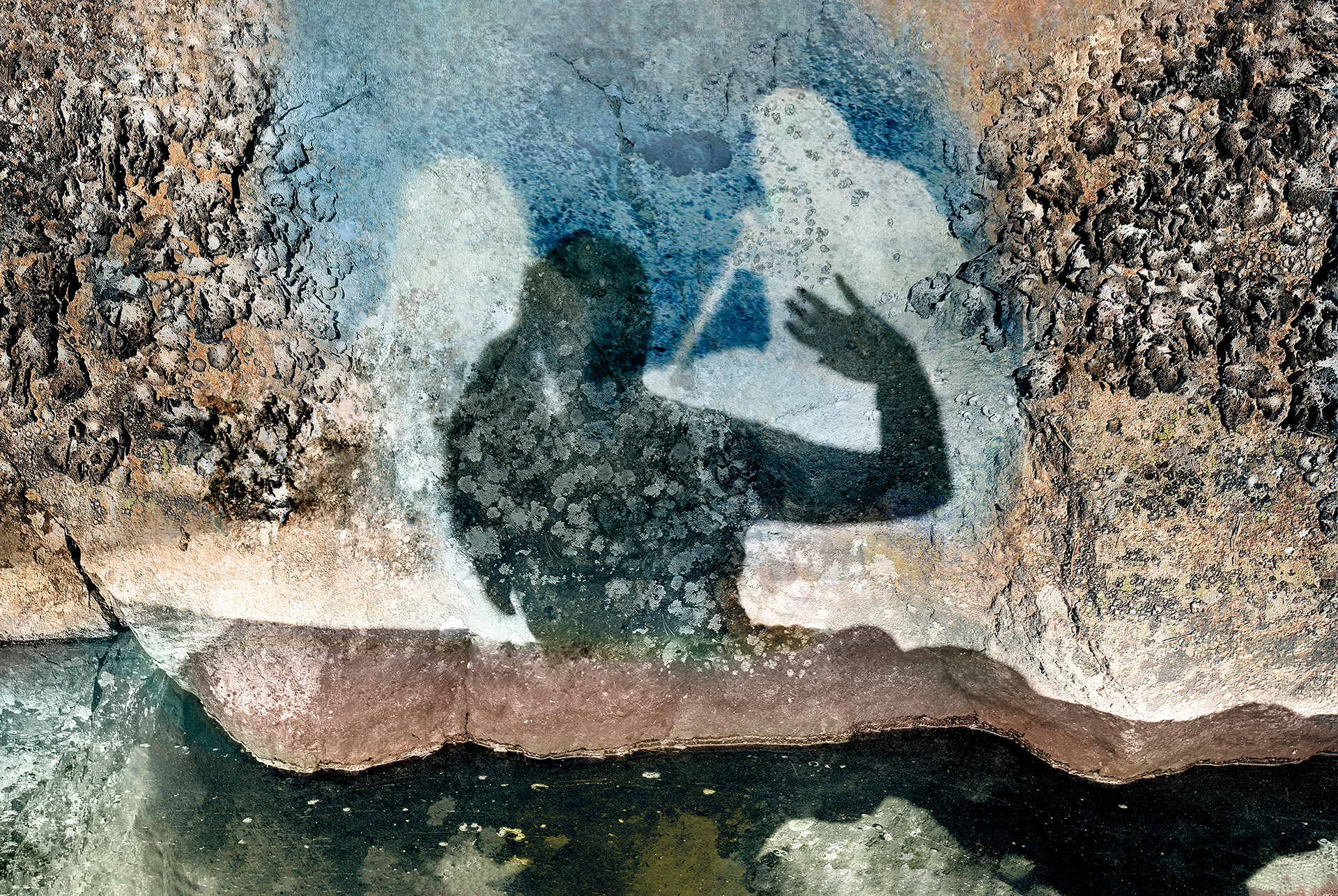
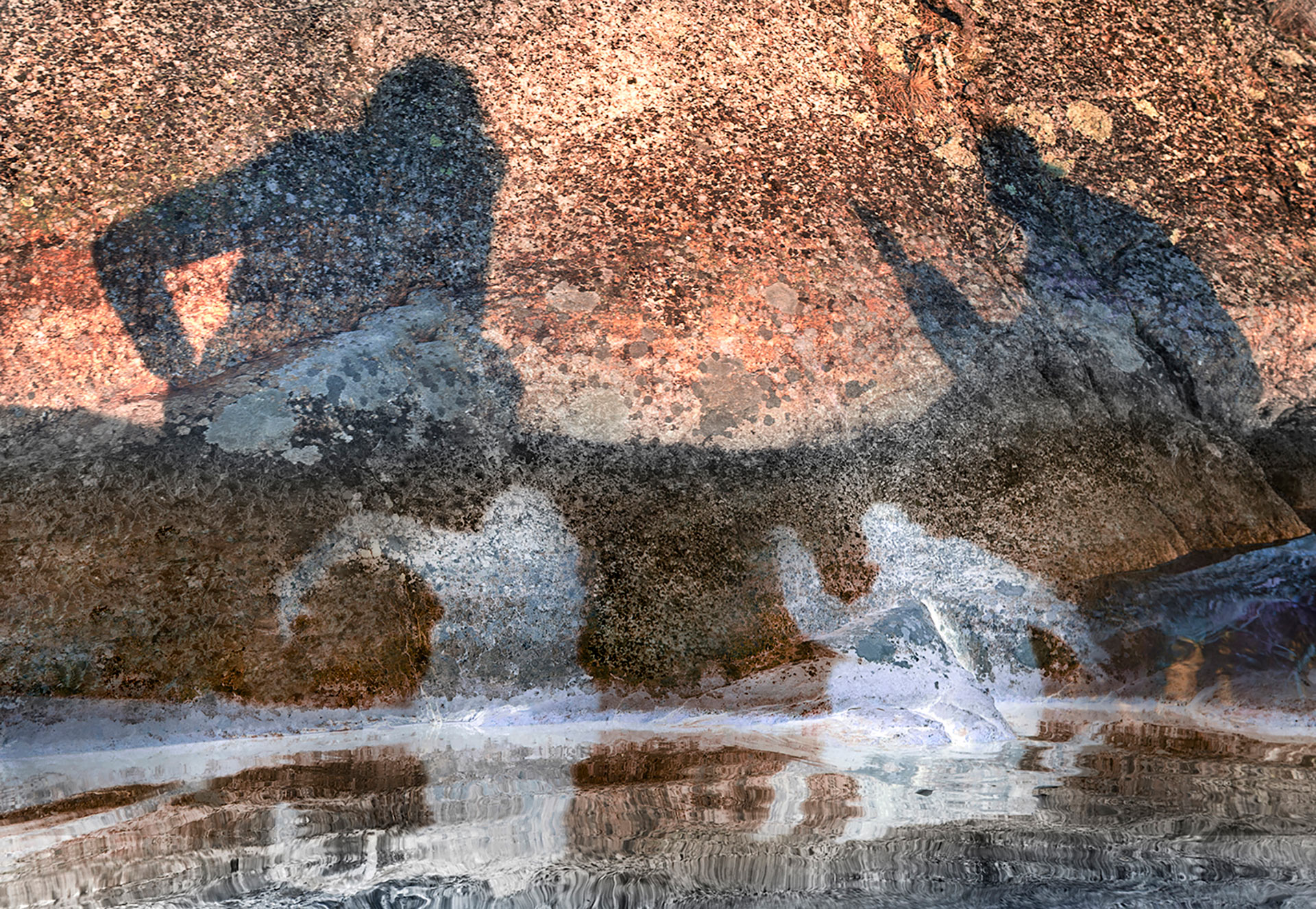
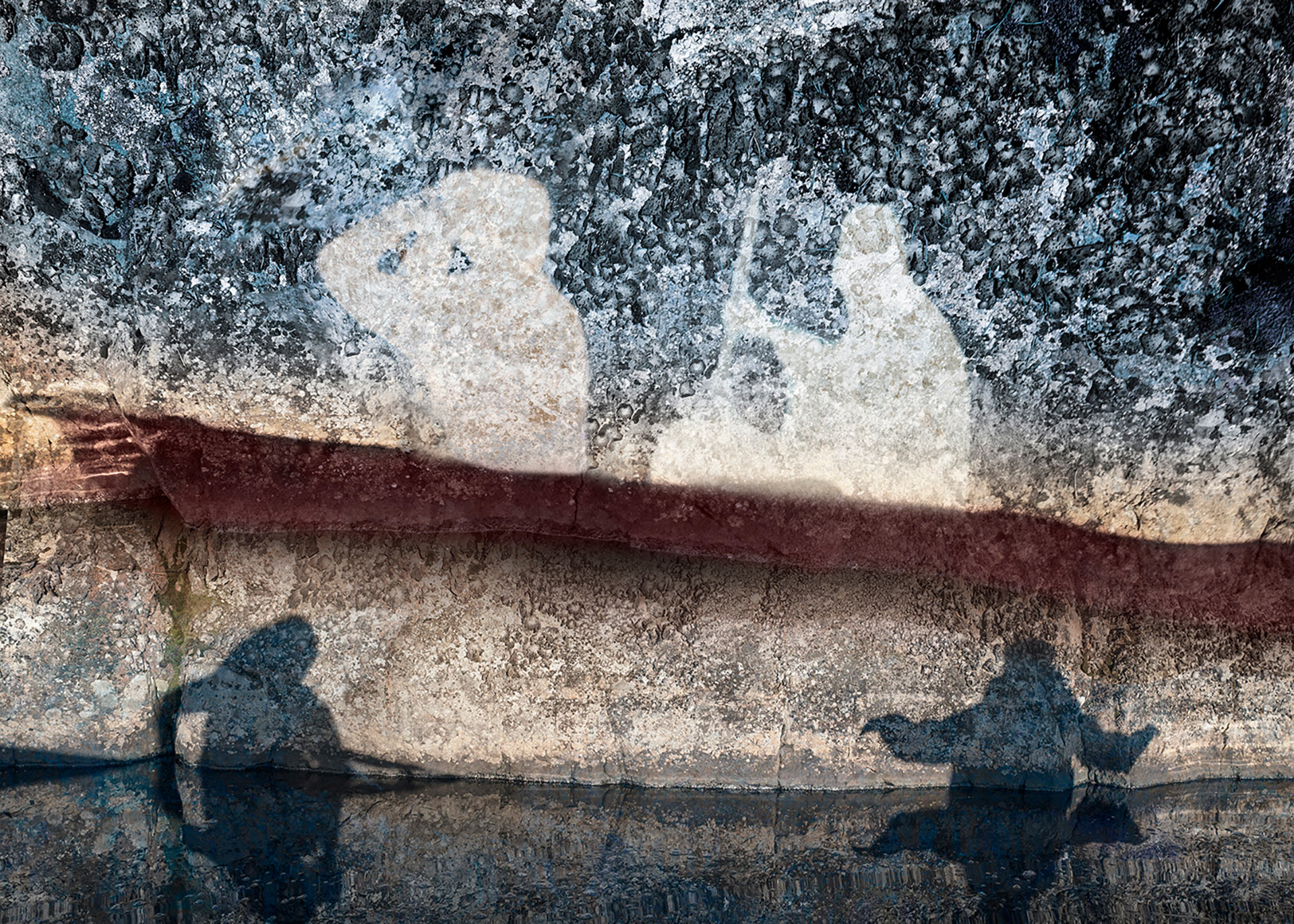
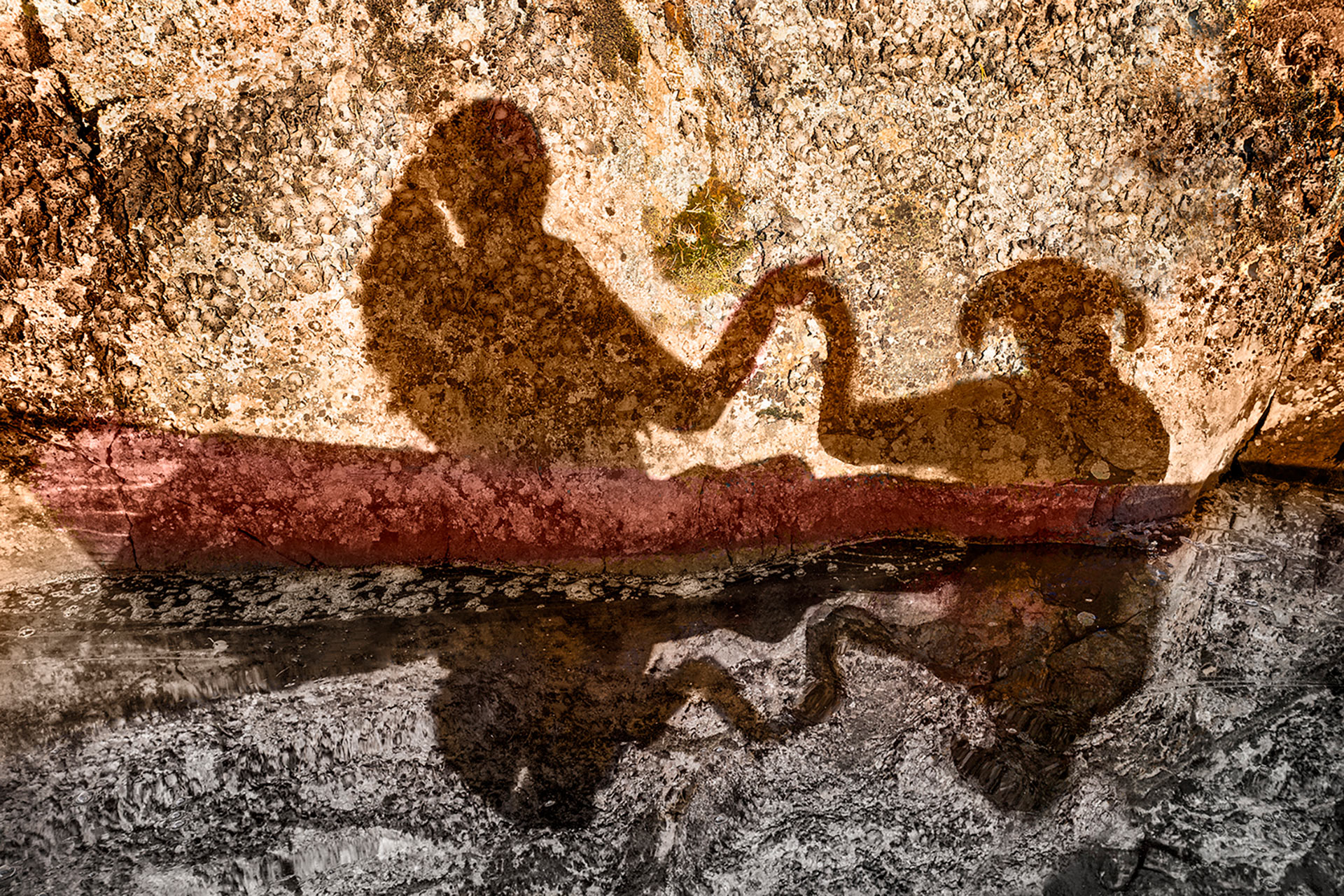
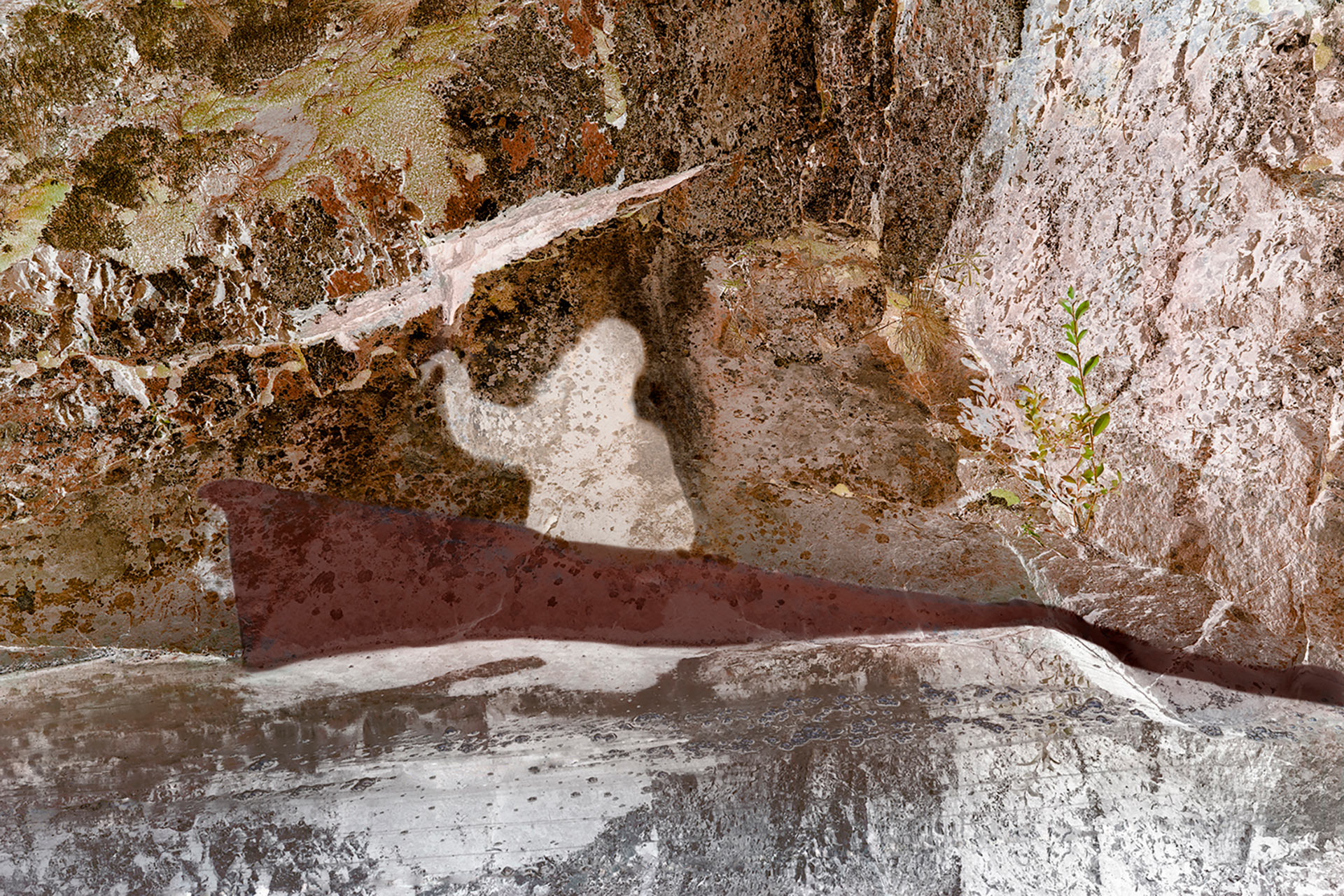
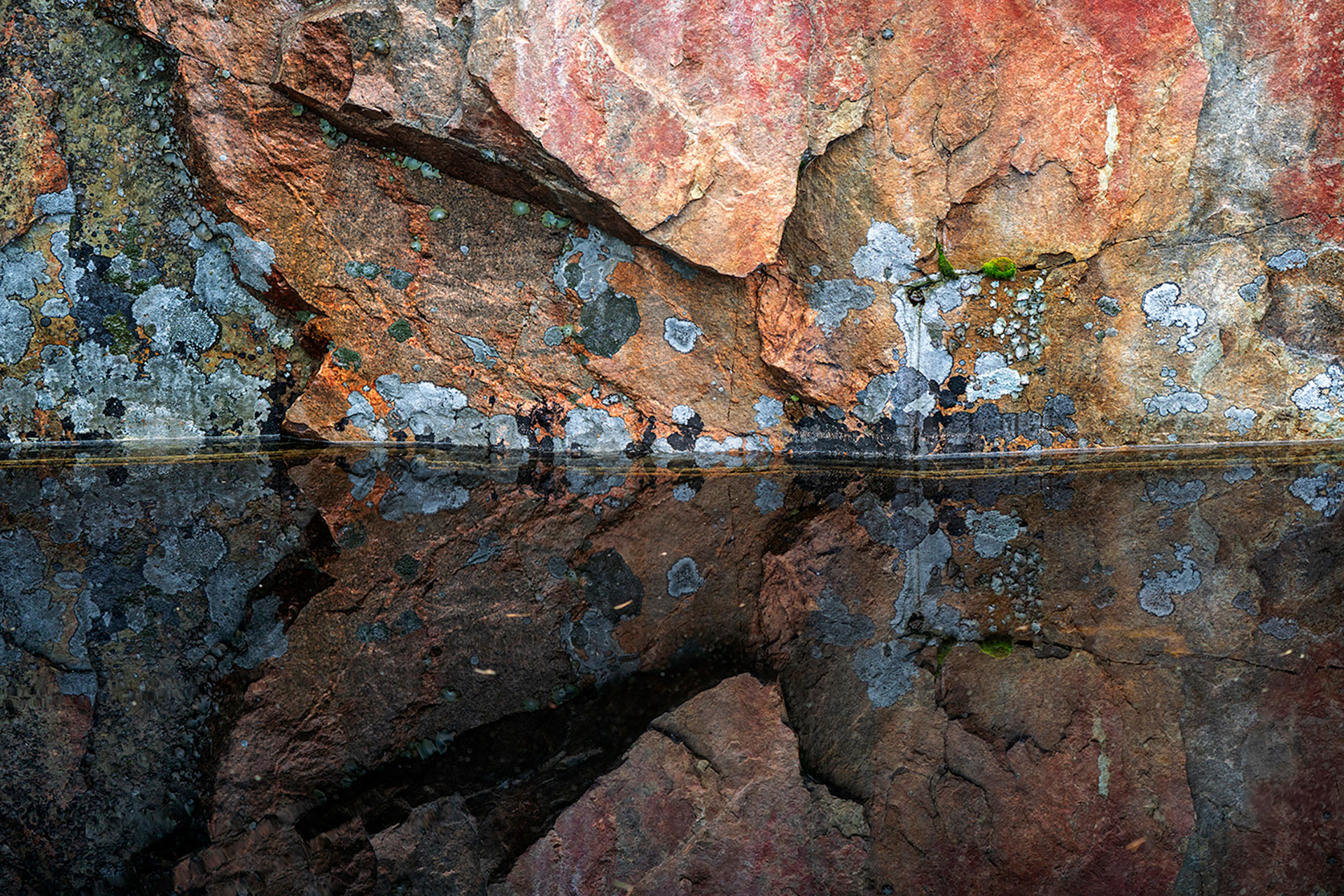
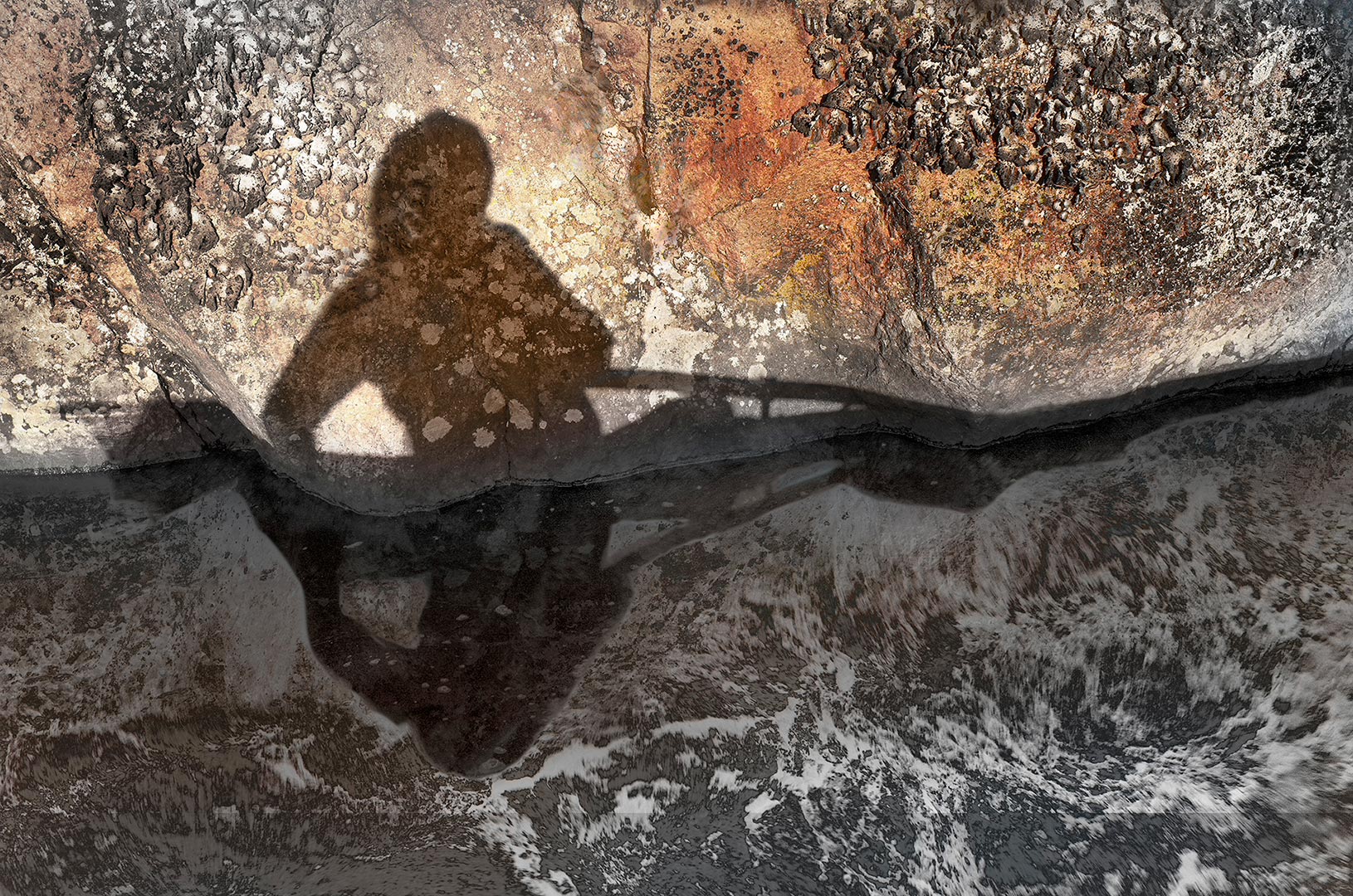
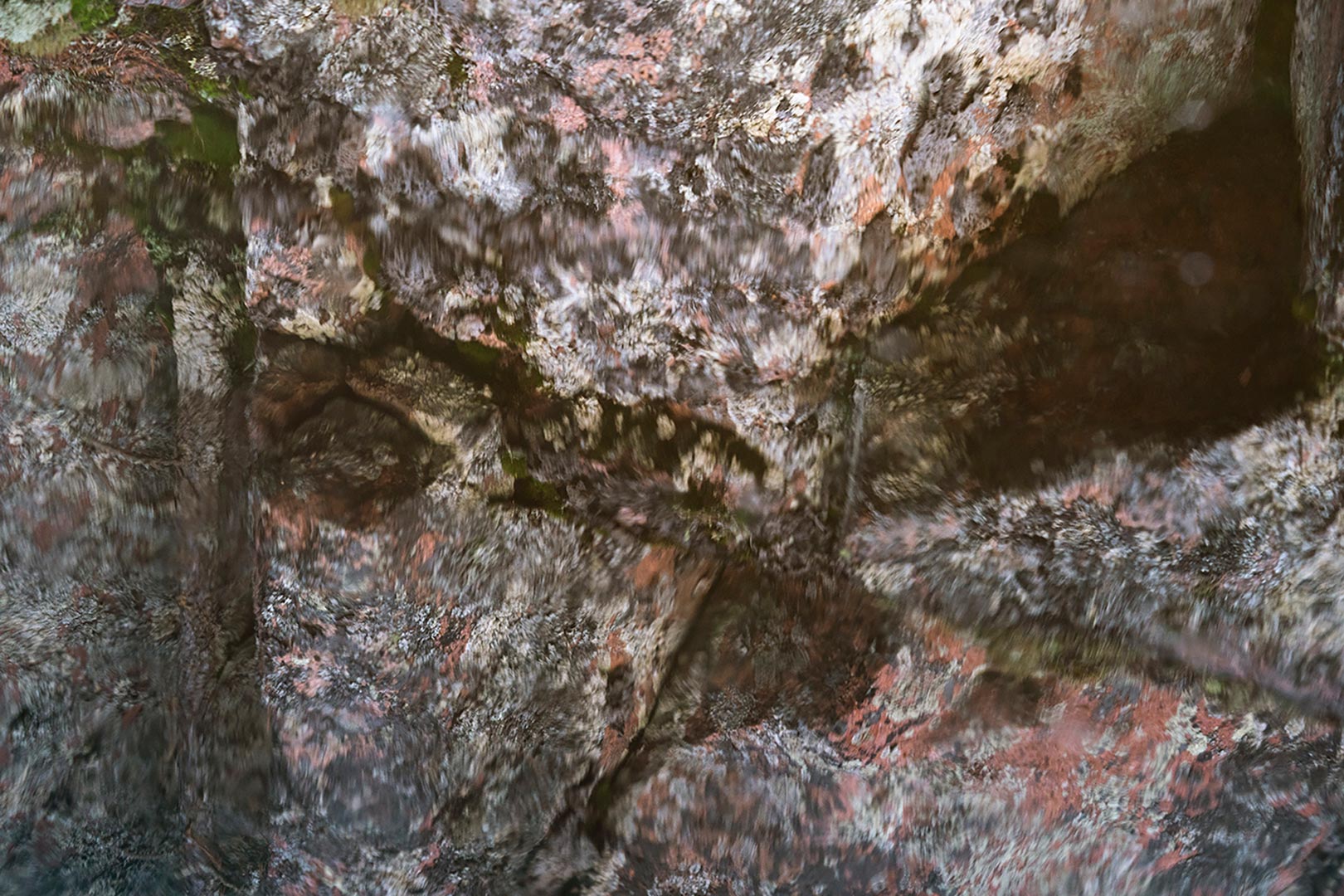
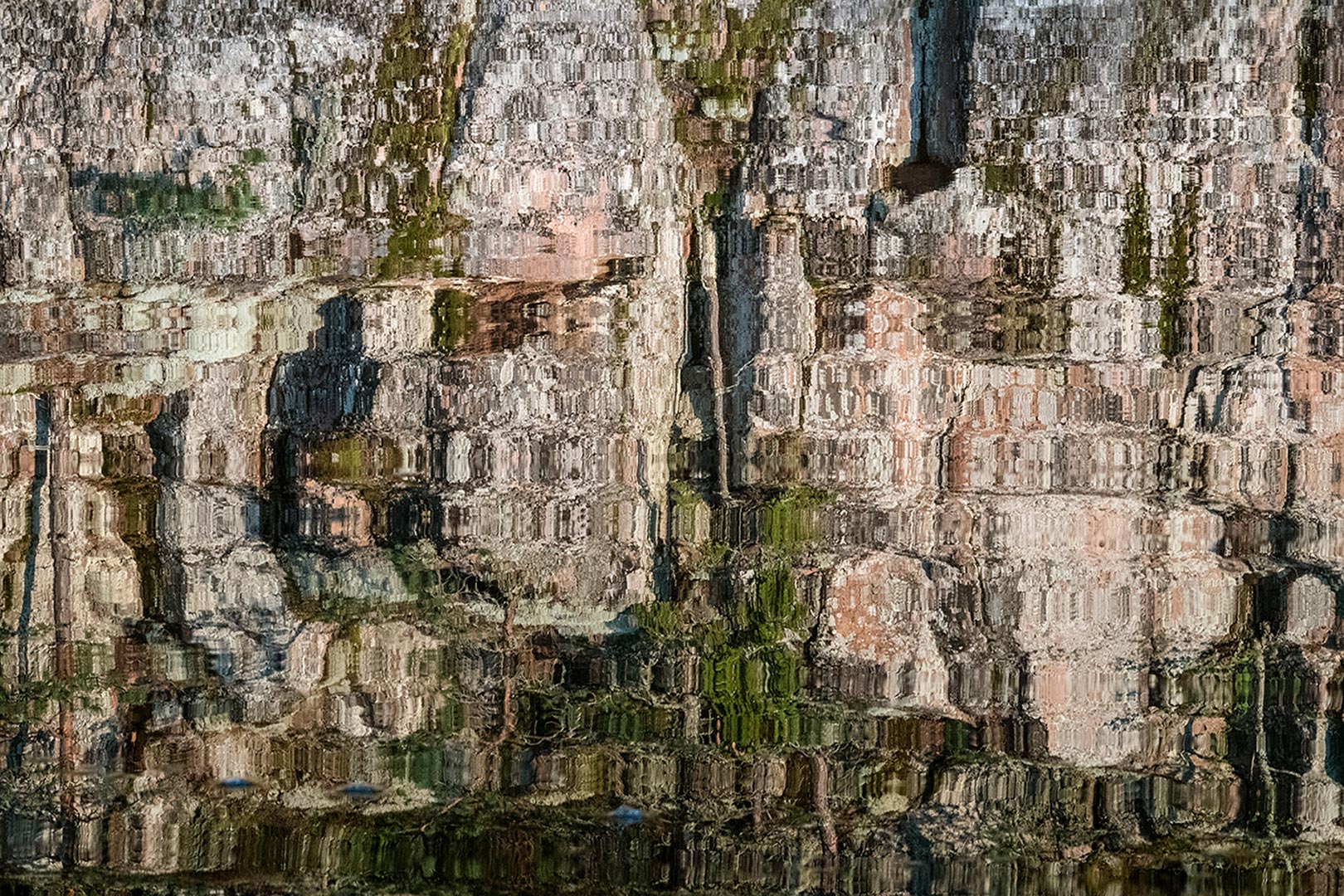
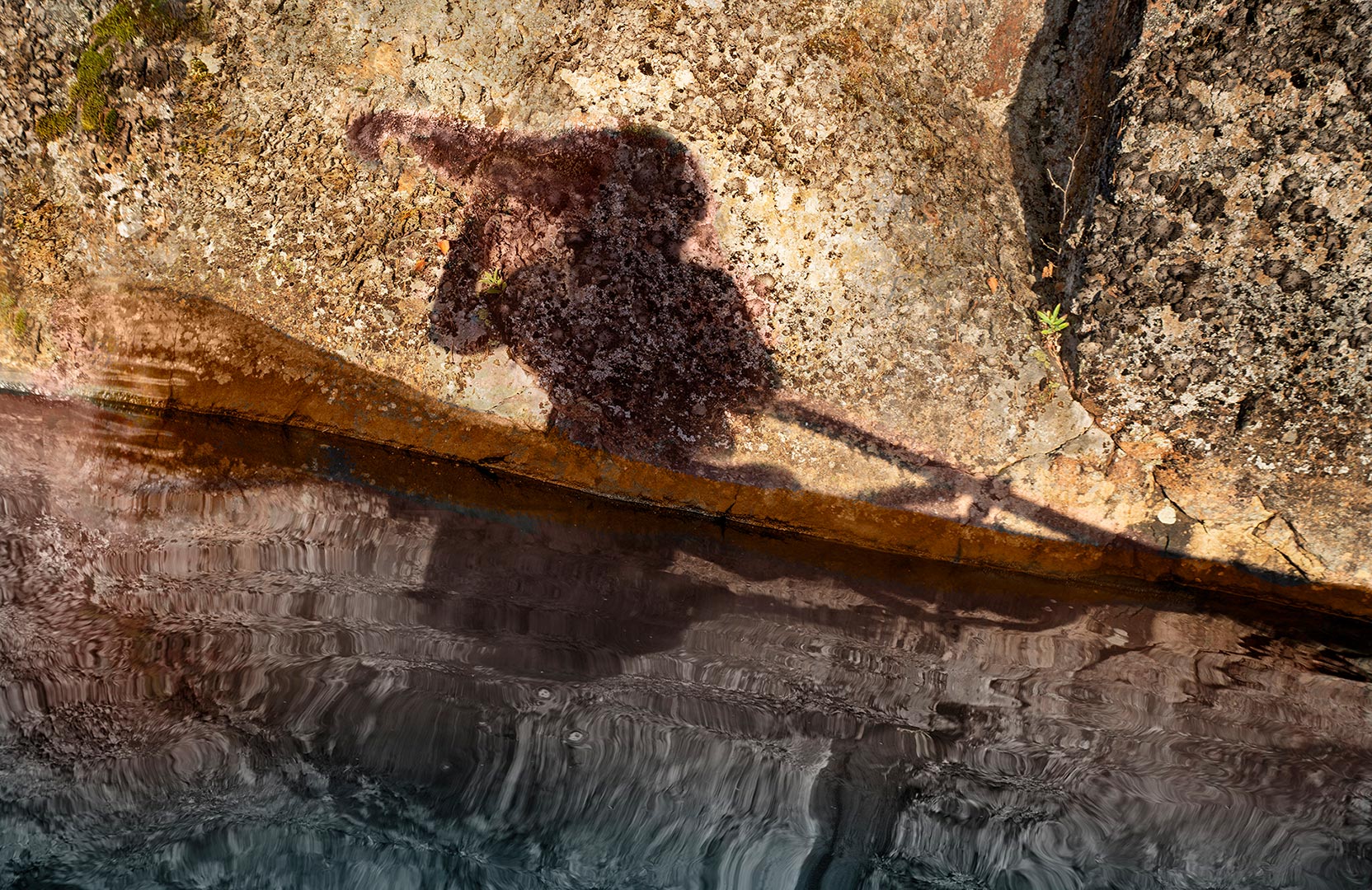
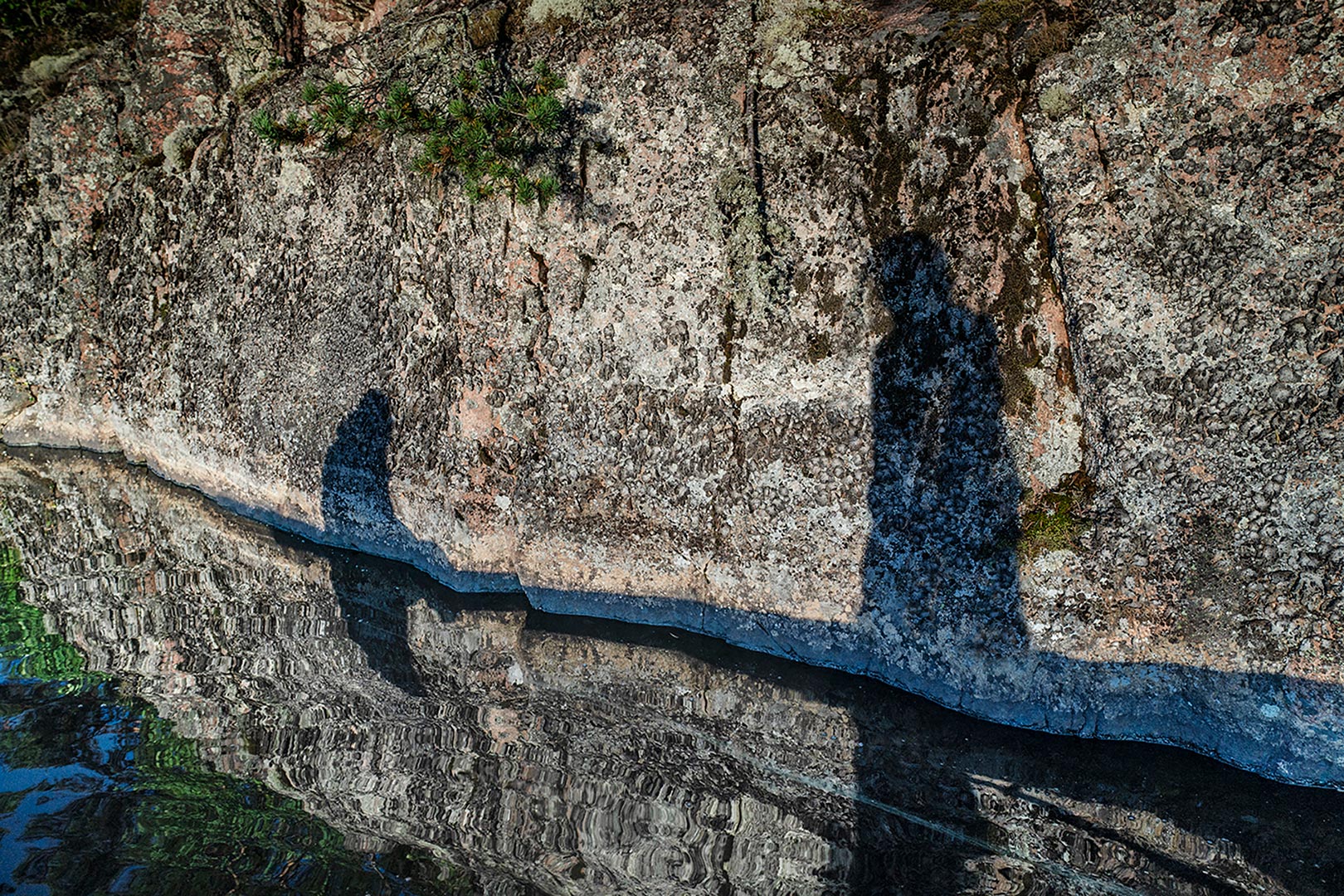
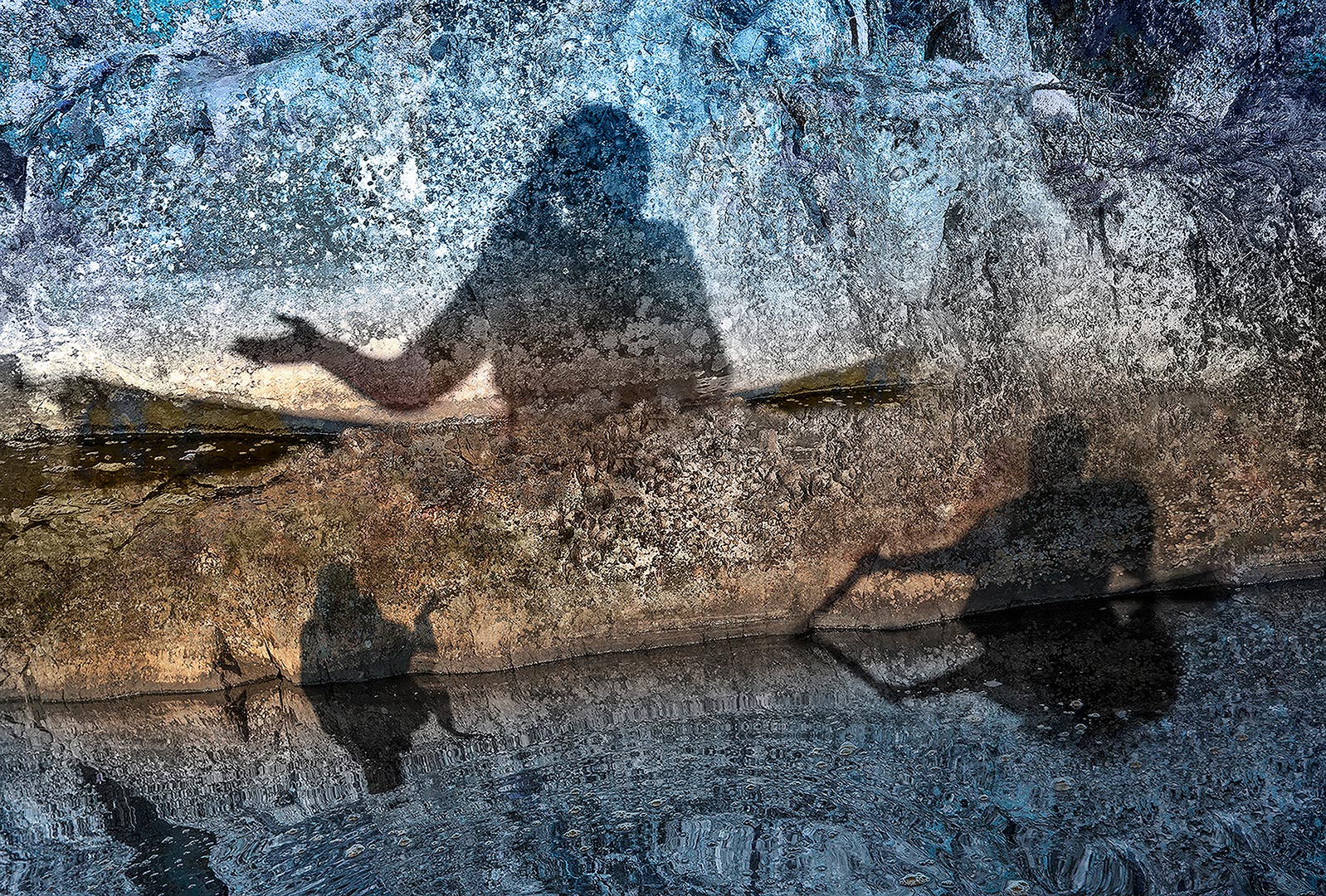
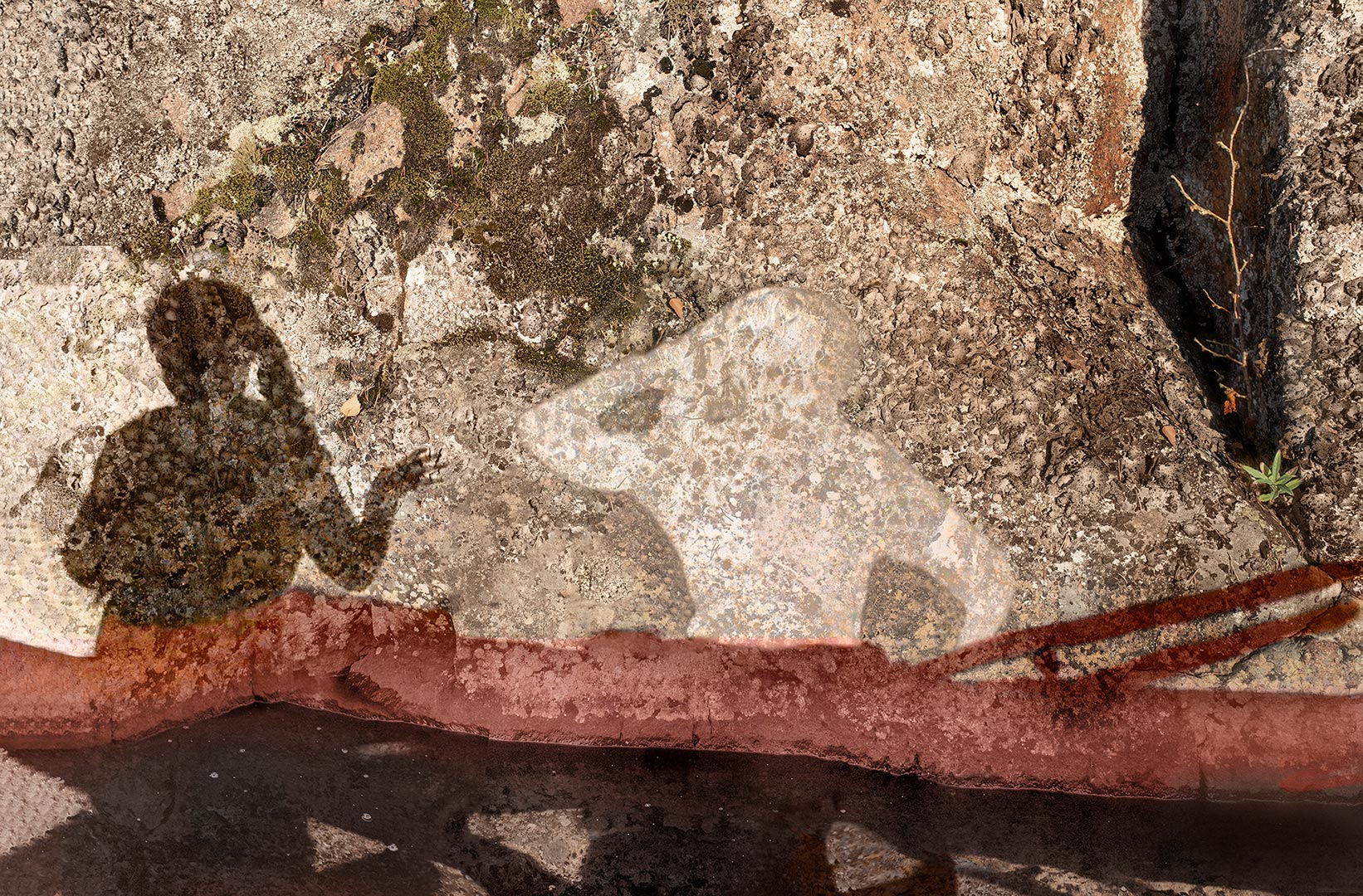
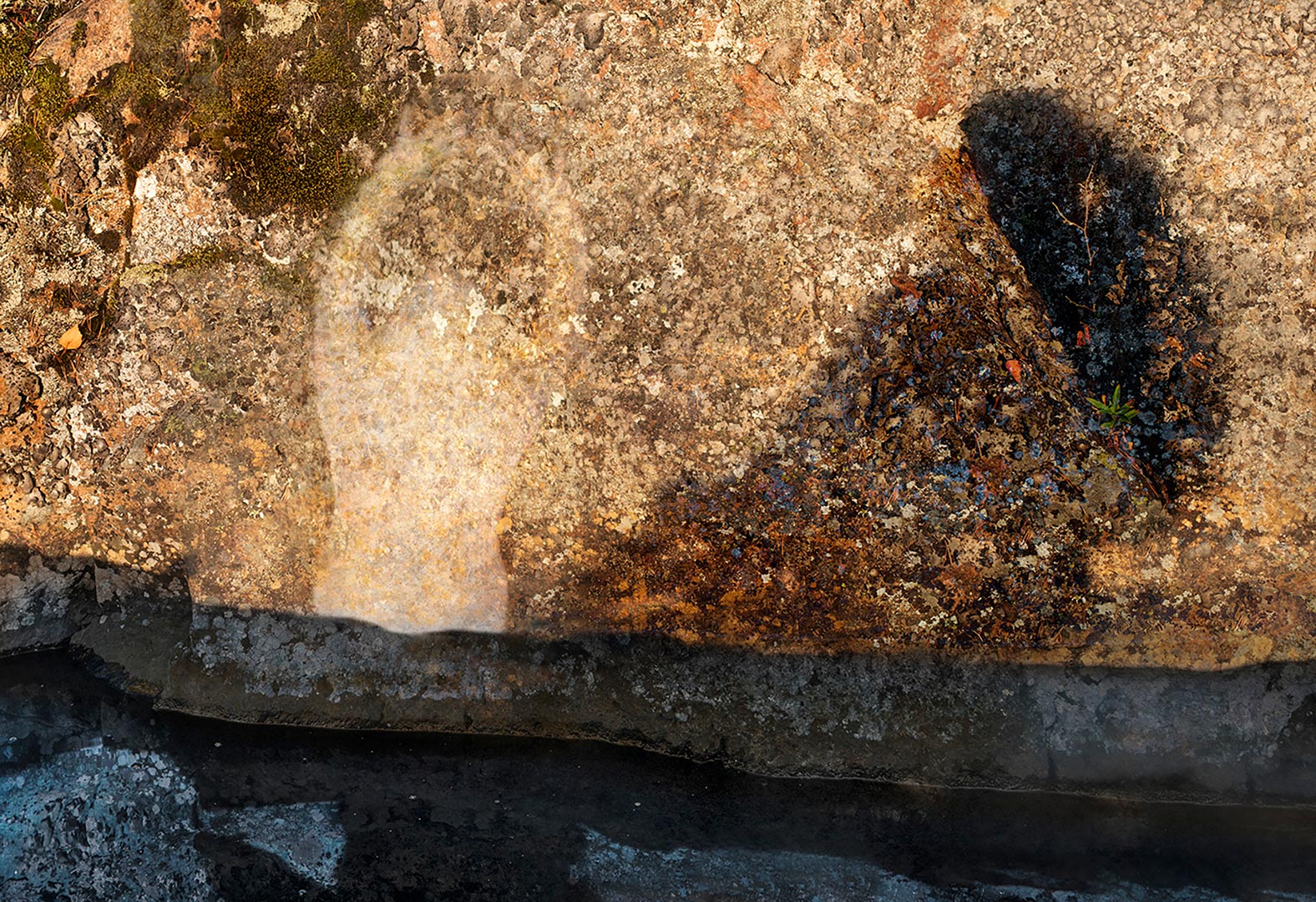
At Ukonnokka in Hollola (photos 1-15)my attention was drawn not only to my own shadow and that of the boat, but also to the colours and forms of the lichen-covered rock, the movement of the water, and its reflections. Their constantly shifting, imagination-stirring forms drew me back to the same landscape time and again. The rock began to appear as a layered landscape of time and memory, in which I also began to sense the presence of ancient people and a mythical world. The place felt both real and imagined — a landscape where the present and an imagined past could meet.
Photography preserved the fleeting moment of the shadows. Years later, I returned to the images and began working with the shadows already present in them. Their forms gradually unfolded into figures and events that seemed to have been there before I knew how to see them. Image processing became a way of extending the original perception and approaching something I had not yet been able to put into words or fully understand. Rather than illustrating a preconceived idea, I allowed the image, imagination, and unconscious associations to guide the process.
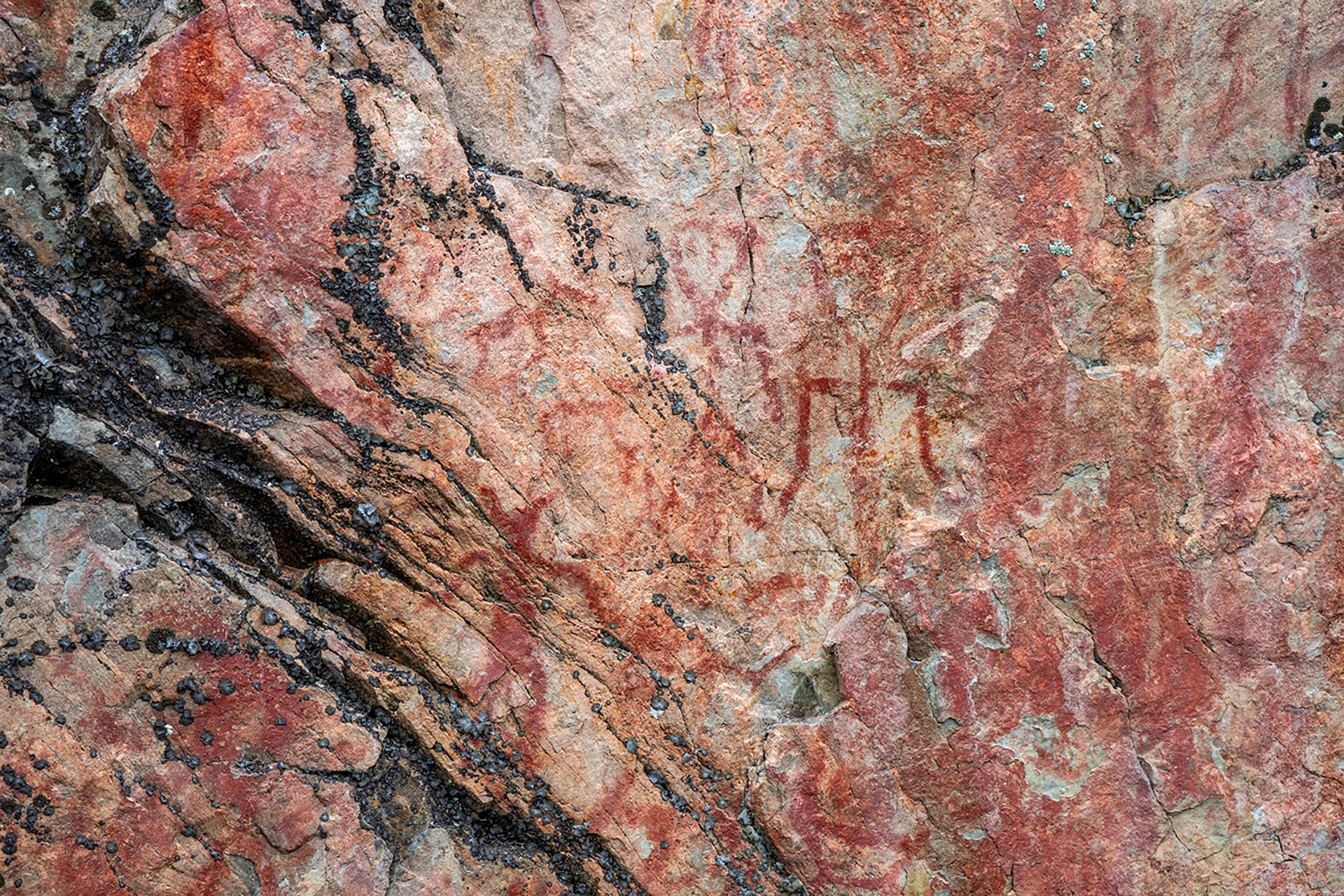
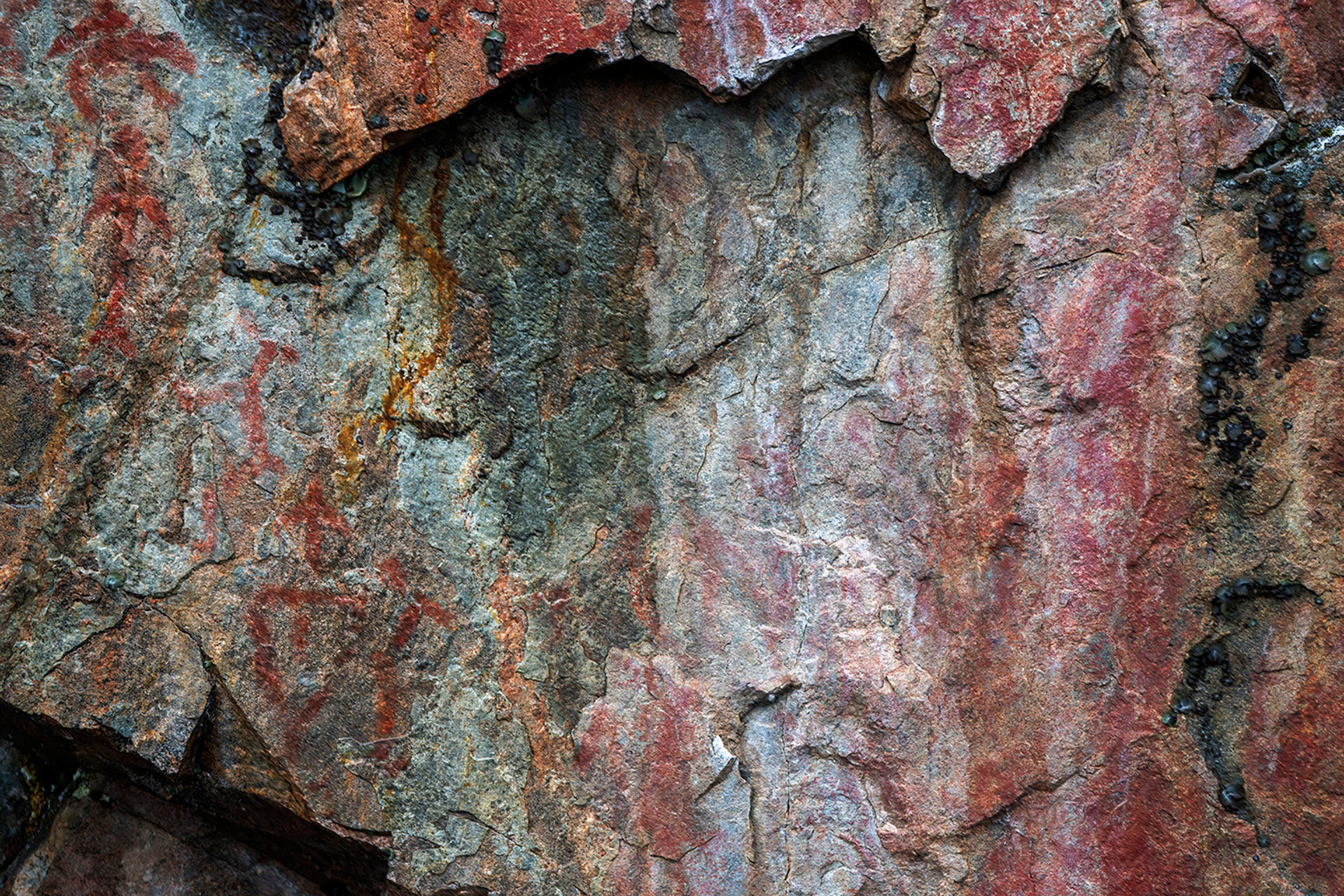
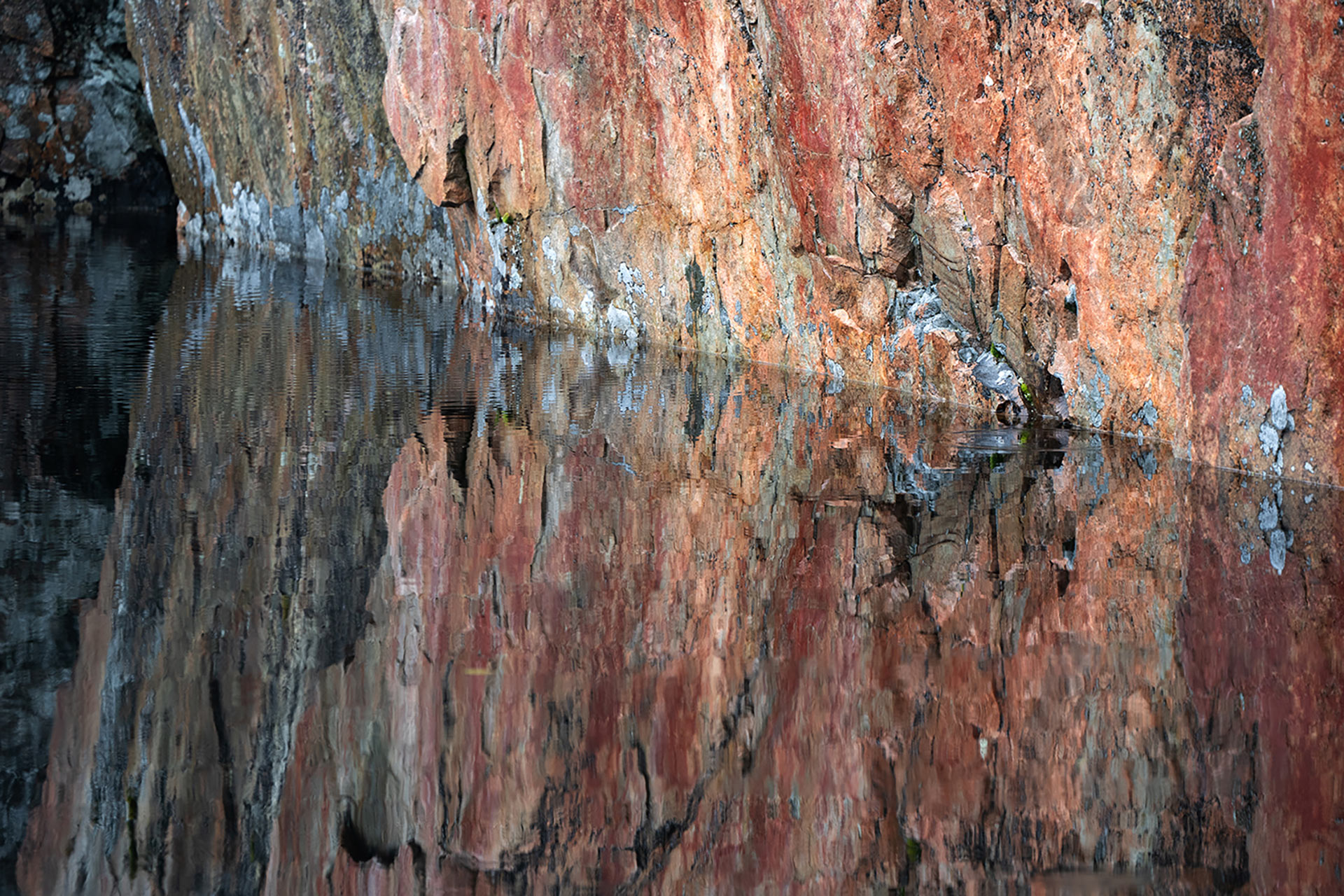
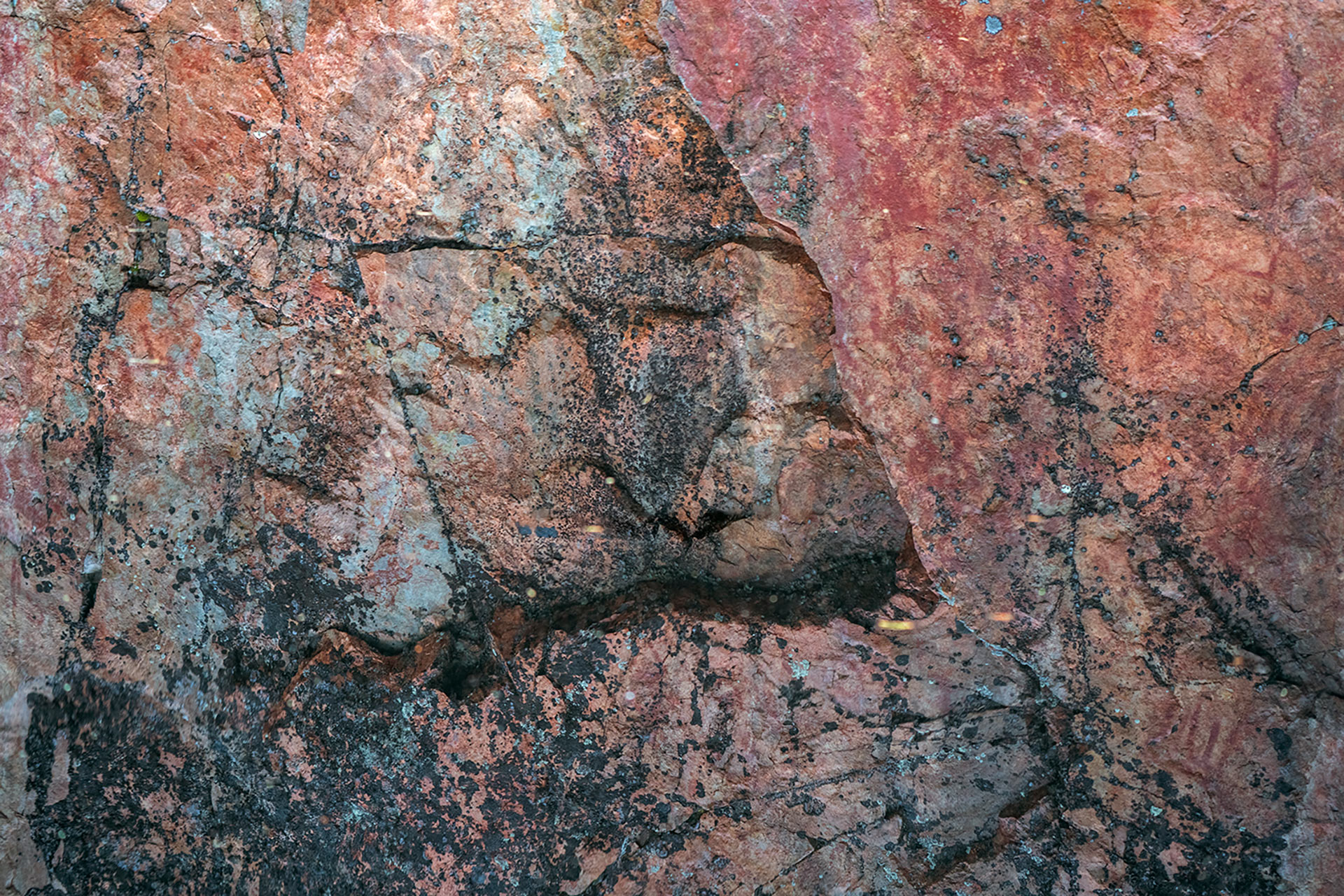
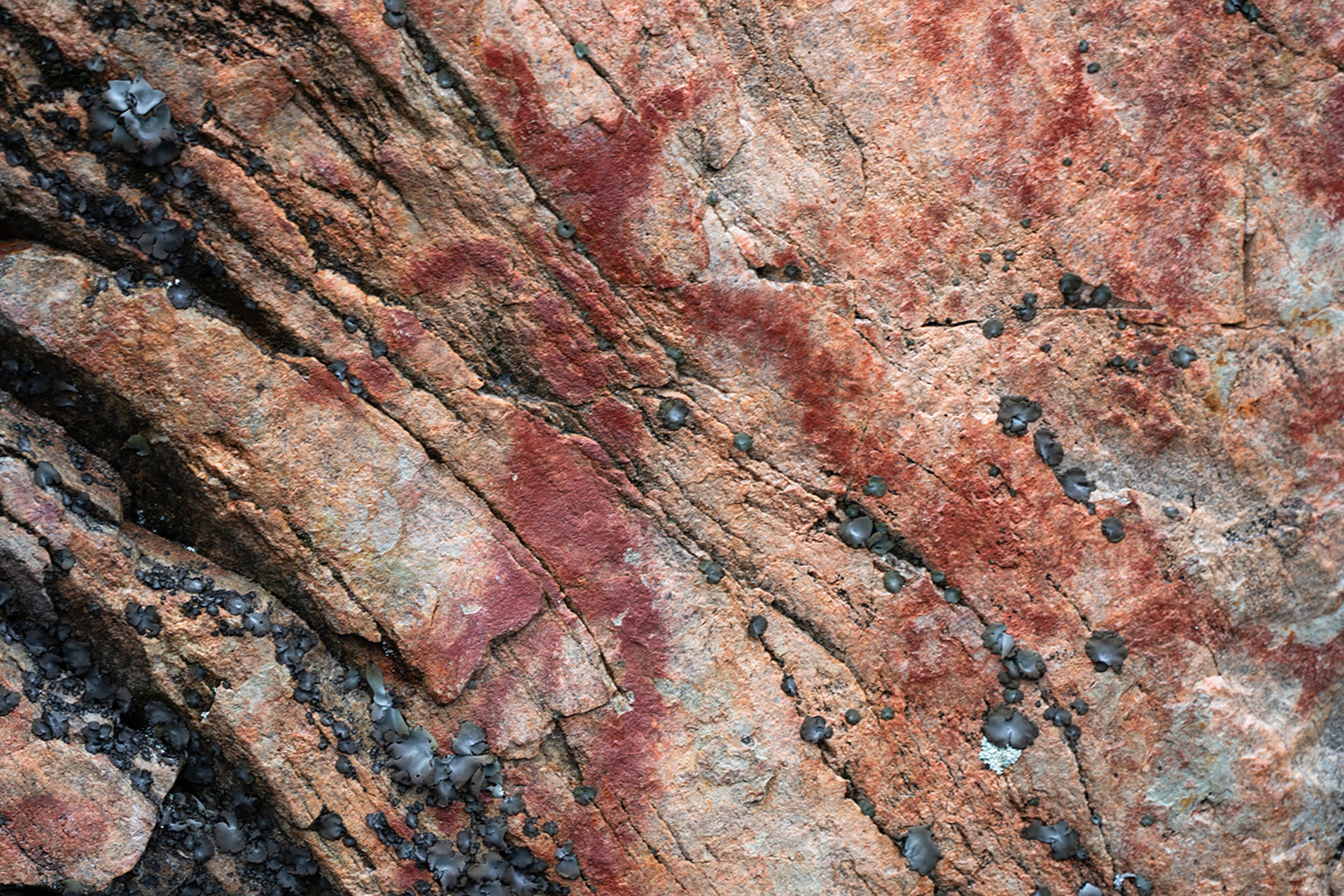
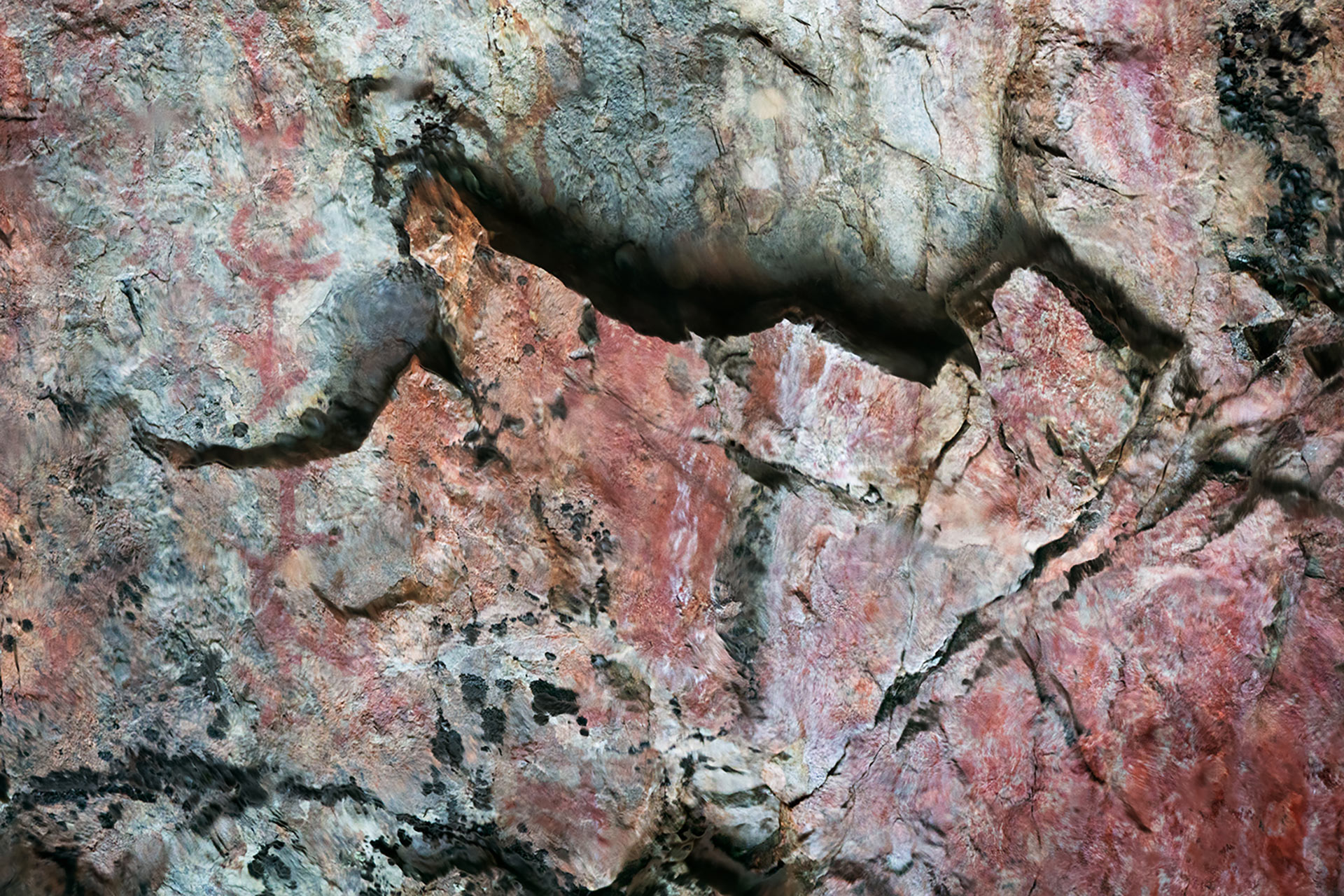
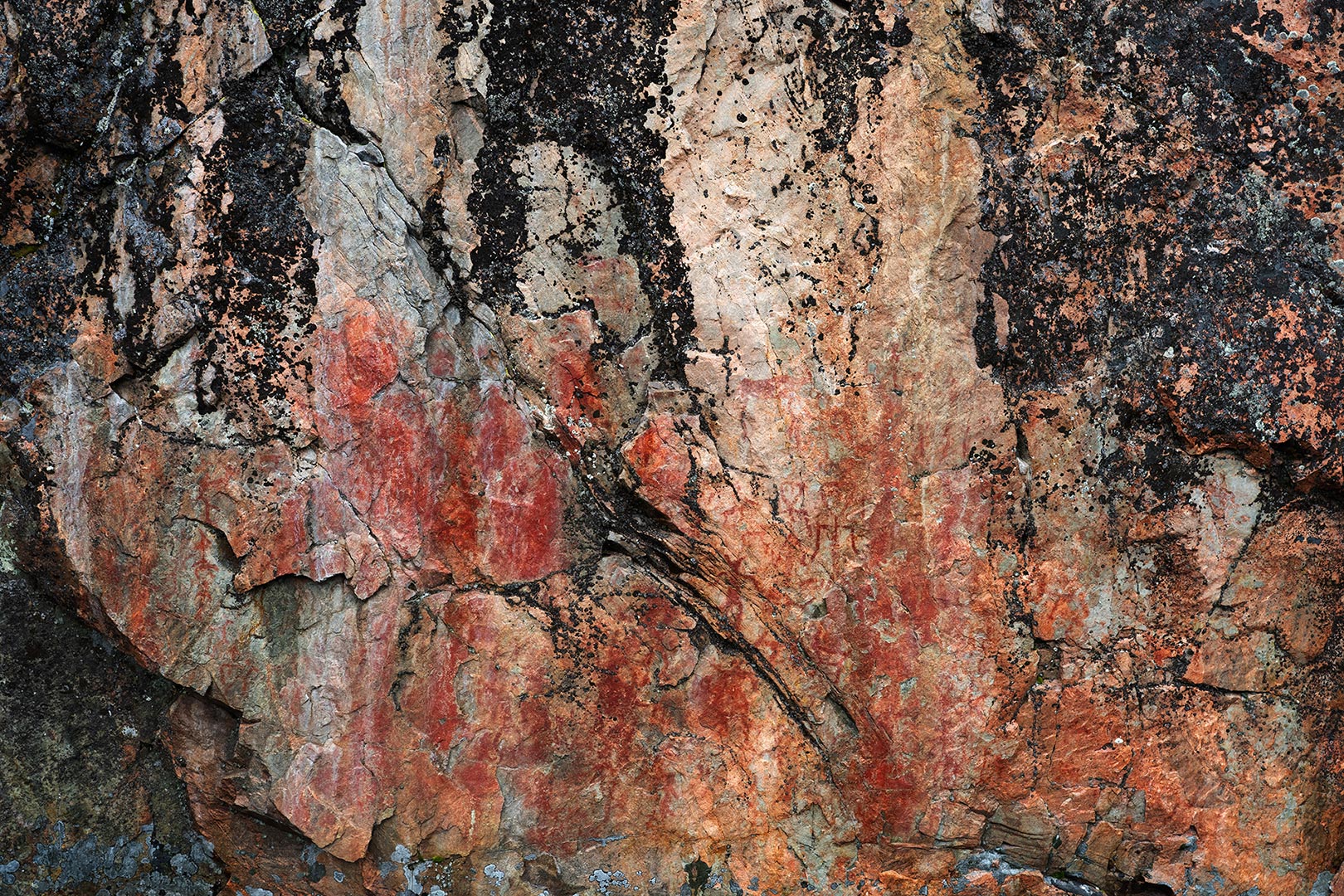
At Värikallio in Hossa, (photos 16-20) I encounter traces of a different kind. Alongside rock paintings that have survived for thousands of years, the rock’s own colours, forms, and reflections invite the eye to search and imagine. The fleeting shadow at Ukonnokka and the enduring trace at Värikallio bring together different forms of presence, time, and perception.
Within the series, the photograph is both a trace of the world and a trace of the gaze. It records something that actually happened, but also reflects the need to pause and return to something. Photographing can precede understanding, while later image processing can open a path towards what perception, memory, and imagination have brought into being.
On the Rock’s Skin asks: What does an image reveal about the world — and what does it reveal about the way we look at it? At what point does a shadow become a figure, and seeing become imagining? Can a landscape awaken in us something like a memory of something we have never experienced ourselves?
Solo exhibition On the Rock’s Skin
17 October – 10 November 2026, Barcelona
Curator: Zsolt Bátori, PhD, Director
Curator: Borbála Jász, PhD, Vice-Director
Gallery Manager: Anita Spingár-Westerlund